

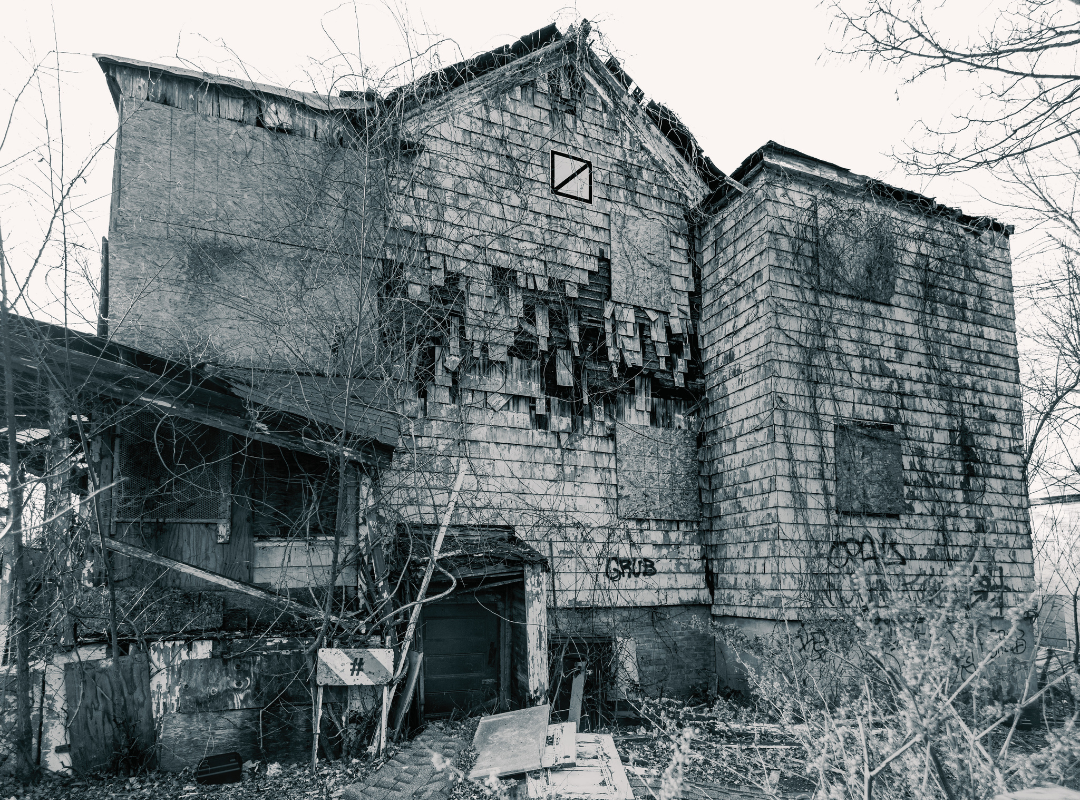
Imagine, a property lands in your lap — an inherited house, a buy-to-let you’re done with, or maybe your own home that needs more work than you have time or money for. The roof’s tired. The kitchen hasn’t been touched since the 1990s. There might be damp. You’re not sure you want to pour money into a place you’re leaving, and you’re wondering whether you can just sell it in the state it’s in.
You can. Selling a house as-is is a well-established route in the UK market. But it comes with trade-offs worth understanding before you list — on price, on your buyer pool and on what the law still requires of you, regardless of the property’s condition.
What Does Selling a House ‘As-Is’ Actually Mean?
Selling as-is means putting a property on the market in its current condition, without committing to repairs, upgrades, or cosmetic improvements before completion. The asking price reflects the state of the property. The buyer takes it as it stands.
That’s the simple version. The fuller picture is this: selling as-is doesn’t mean selling blind. As a seller, you still have legal disclosure obligations – more on those below. Surveys will still happen. Buyers will still factor the cost of any work into their offer. And if serious faults come up during the survey, they may still try to renegotiate.
What it removes is the obligation to fix things before you list and the negotiation over who pays for which repairs during the sale process. You’re setting the expectation upfront: what you see is what you get.
This approach comes up most often with:
- Inherited properties where the beneficiary has no attachment to or knowledge of the building’s maintenance history
- Rental properties being sold between tenancies or to exit a portfolio
- Properties with structural or cosmetic issues that the seller can’t afford to fix
- Sellers who need to move quickly and don’t have the time for a six-month renovation
The Legal Side: What You Still Have to Disclose
This is where a lot of sellers get it wrong. Selling as-is doesn’t give you a blank slate when it comes to disclosure.
In England and Wales, every seller must complete a TA6 Property Information Form – the standard disclosure document used in virtually all residential transactions. Published by the Law Society, the TA6 requires honest answers across 14 categories, including structural condition, boundaries, disputes, planning history, flood risk, Japanese knotweed and neighbour relations.
The Law Society states clearly in its guidance that buyers can rely on the information you give in the TA6 form and that if you give misleading information, a buyer may be able to claim compensation after completion.
Under the Misrepresentation Act 1967, a buyer can bring a claim against you if you made a false or misleading statement they relied on when deciding to purchase – even after the sale completes. Under the Consumer Protection from Unfair Trading Regulations 2008, withholding material information from a buyer is a criminal offence.
In practical terms, this means you must disclose on the TA6:
- Structural issues, including subsidence, damp, roof problems, or significant cracks
- Any known flooding history
- Disputes with neighbours – past or present
- Unauthorised building works or extensions without planning consent
- Japanese knotweed on or near the property
- Any notices from the local authority
The distinction between selling as-is and a conventional sale isn’t about what you disclose; it’s that you’re not pre-empting everything with a renovation budget. The disclosure requirements are identical.

Get the TA6 completed accurately, before you list, if possible. It removes weeks from the conveyancing timeline and signals to buyers that you have nothing to hide.
What to Fix Before You List (and What to Leave Alone)
Most sellers overspend before listing. They renovate things buyers will immediately gut and replace, or fix cosmetic issues that wouldn’t have moved the price anyway.
When you’re selling as-is, the question isn’t “what does this property need?” It’s “what, if left alone, will actively cost me money during negotiations?”
Leave alone:
- Dated décor, tired carpets and old fixtures – buyers factor these in and usually prefer to choose their own
- Minor cosmetic issues like hairline cracks, scuffed skirting boards, or worn paintwork – these don’t worry buyers or surveyors
- Kitchen and bathroom upgrades – unless they’re structurally compromised, a buyer planning to renovate won’t pay more for your choice of tiles
Worth addressing:
- Safety hazards – gas leaks, faulty electrics, or structural instability. These aren’t cosmetic; they can kill deals and, more importantly, cause harm. A licensed electrician’s sign-off costs a fraction of what the uncertainty does to your asking price
- Active damp – not historical staining, but current penetration. A damp survey and a clear report on the cause is more valuable than treating it cosmetically
- Roof damage that’s causing ongoing water ingress – a survey picking up active penetration will hit you harder in negotiation than addressing it before listing
The basic principle is to fix things that create open-ended risk in a buyer’s mind. Leave things that buyers can quantify and price.
How to Price an ‘As-Is’ Property
Getting the price right is the most important decision in an as-is sale. Too high, and the property sits.
Start with local comparables. What are equivalent properties in the same street or postcode actually selling for, not what they’re listed at?
Based on your comparable baseline, work out a realistic cost estimate for the required work. Buyers will do this themselves. If you’ve already had a structural survey or builder’s quote, share it. Known costs are less frightening than unknown ones, and they give you a platform to justify your price.
The aim is a number that attracts serious buyers without inviting low-ball offers based on worst-case assumptions. Transparent pricing based on documented conditions outperforms aspirational pricing, followed by reductions every time.
Who Buys ‘As-Is’ Property?
Three types of buyers actively seek properties in need of work.
Cash property investors and developers
They’re looking for margin, the gap between the purchase price, the cost of renovation and the end value. They’re experienced, move quickly and won’t be deterred by conditions. The trade-off is that they need that margin to stack up, so they’ll negotiate hard. These buyers are particularly active at auction and through direct approaches.
House flippers
Often, individuals, rather than companies, looking for properties they can buy, improve and resell at a profit. Similar logic to developers, but typically working on smaller projects. They understand what they’re taking on and price accordingly.
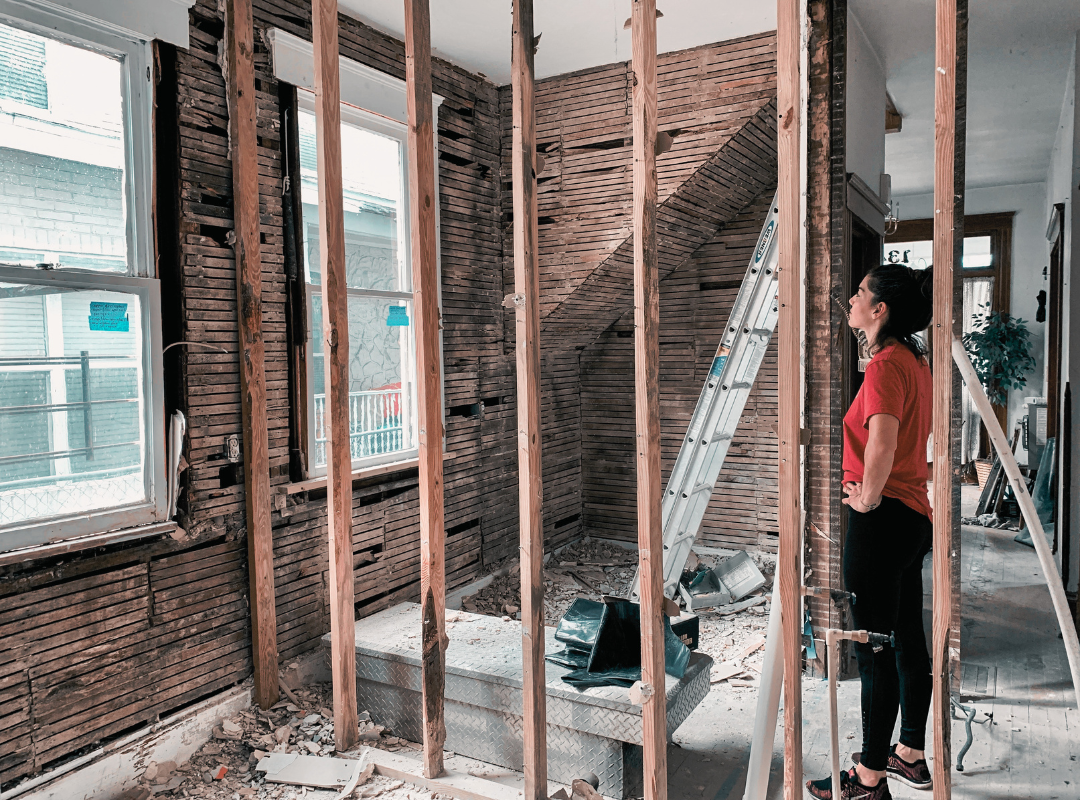
Owner-occupiers who want to renovate to their own taste.
Not every buyer wants a move-in-ready home. Some buyers — particularly first-time buyers in areas where property prices make renovators more affordable — actively want a project. They’ll pay more than an investor because they’re not calculating a resale margin, but they’re often buying with a mortgage, which introduces additional complexity if the property has serious structural defects (some lenders won’t approve lending on properties in poor condition).
The honest reality is that selling as-is narrows your buyer pool compared to a well-presented property.
The Three Selling Routes for ‘As-Is’ Properties
1. Estate agent (open market)
The most familiar route and still the one most likely to achieve the highest price, is if you get the pricing right and attract the right buyer. The risk is time. A property with visible condition issues can sit on the market if it’s mispriced or if it attracts buyers who later struggle with mortgage approval.
Market it clearly as a renovation opportunity rather than trying to obscure the condition. Buyers who understand what they’re getting into don’t get cold feet after the survey.
2. Property auction
Auction is a natural fit for as-is sales. Buyers at auction tend to be experienced investors, developers and cash buyers who’ve assessed the property, factored in the costs and committed to a number. When the hammer falls, the sale is legally binding (for unconditional sales). There’s no pulling out post-survey, no chain collapse, no renegotiation.
Auction commission is typically around 2% + VAT of the final sale price. You’ll also need to factor in legal pack preparation costs upfront. The trade-off for that certainty is that you’ll likely achieve slightly less than you would through a well-run open market sale.
3. Cash house buyers
Several companies operate in the UK, specifically buying properties directly, regardless of condition, in exchange for speed and certainty. They’ll typically offer 75–85% of market value. That’s a significant discount.
However, run the numbers properly before dismissing them. A conventional sale takes an average of 25 weeks from listing to completion, and that’s in straightforward cases. When you add the cost of months of mortgage payments, council tax, maintenance and estate agent fees to a conventional sale that takes twice as long or falls through entirely, the net difference to a cash buyer’s offer can be smaller than it looks on paper.
If you go this route, use a reputable company registered with the National Association of Property Buyers (NAPB) or The Property Ombudsman. Both provide redress schemes.
The Pros and Cons
Selling as-is works in your favour when:
- You need a fast sale – no waiting on builders, no dependency on work being completed
- The property is genuinely at the upper end of what a buyer would fix themselves (renovation project, not uninhabitable)
- You’re selling to the right buyer – cash-ready, experienced, not chain-dependent
- You price it accurately from the start
It works against you when:
- You’re pricing as if the property is in good condition and hoping buyers won’t notice
- The property has active safety hazards that limit your buyer pool to cash purchasers only (some mortgage lenders won’t lend on properties with significant structural issues)
- You haven’t disclosed known issues accurately on the TA6 – this creates liability regardless of the selling route
FAQs
Q1: Can a buyer still negotiate after a survey on an as-is property?
Yes, unless the contract specifically excludes renegotiation. “As is” sets an expectation, but it doesn’t prevent a buyer from coming back to you after their survey with a revised offer based on what the surveyor found. The way to reduce this risk is to get your own survey done before listing, share it with prospective buyers and price it with it already reflected. Known information is harder to use as leverage than information that surfaces mid-sale.
Q2: Does selling as-is affect Capital Gains Tax?
No – the method of sale doesn’t change your CGT position. If the property isn’t your primary residence (for example, it’s an investment property or an inherited home), CGT will be calculated on the gain between your acquisition cost (or value at date of inheritance, in the case of an inherited property) and your sale price. Selling at a lower price reduces both your sale proceeds and potentially your CGT liability. Consult a tax adviser on your specific position.
Q3: Will an as-is sale affect the buyer’s mortgage approval?
It can. Mortgage lenders instruct their own surveyor, who assesses whether the property provides adequate security for the loan. Properties with serious structural defects, active subsidence, dangerous rooflines, or uninhabitable conditions may be refused or offered at a lower loan-to-value, which limits who can buy. Cash buyers have no such restriction. If your property is in very poor condition, expect most of your serious buyers to be cash purchasers and price accordingly.
Q4: Is there a difference between selling as-is and selling at auction?
An auction is a selling route; as-is describes the condition you’re selling in. You can sell as-is through an estate agent, an auction house, or directly to a cash buyer. Auction happens to be particularly well-suited to as-is sales because the buyer base already expects properties that need work, the legal pack is distributed in advance, so there are no surprises, and completion is binding on exchange. But the concepts are separate.
Q5: What happens if I don’t disclose a known issue?
A buyer who later discovers an undisclosed problem you knew about has grounds to claim compensation under the Misrepresentation Act 1967. In serious cases, structural defects, neighbour disputes and flooding history – claims can be substantial. Disclosure also protects you: a buyer who knew about a problem and proceeded anyway has far less standing to challenge you post-completion.
Related articles