


You’re eight weeks into a sale. Surveys are done. Your solicitor has been chasing the other side for three weeks. Then a message from your estate agent: “The buyer has had second thoughts. They’re worried about the running costs on the property.”
Not the survey. Not a mortgage refusal. Running costs – the energy bill.
This is playing out across the UK right now, and it is accelerating. The 13% jump in the Ofgem energy price cap, which came into effect on 1 July 2026, has quietly done something destructive to the property market. It has given already-nervous buyers a concrete new number to run against their monthly budget — and in a significant number of cases, that number is the thing that tips them from hesitant to out.
The result is a new wave of fractured chains. And for sellers caught inside one, the question is no longer just “how do I find another buyer?” It is “how do I find a buyer who won’t do this again?”
What the July Energy Cap Rise Actually Means
The 1 July 2026 price cap increase pushed the typical annual dual-fuel bill from £1,641 to £1,862 – an extra £221 per year, or roughly £18 more per month, for a household on a standard variable tariff paying by Direct Debit, according to Ofgem’s confirmed figures.
That headline figure is the floor, not the ceiling. For properties with poor energy efficiency ratings, the exposure is considerably higher. Analysis by Rightmove found that homes with an EPC rating of G could see annual bills rise by as much as £591 as a result of the July cap change. For a buyer doing their financial modelling before exchange, that is not a rounding error.
The cause is the US-Iran conflict. The closure of the Strait of Hormuz – a waterway through which 20% of the world’s oil and gas moves – drove a spike in wholesale gas prices that fed directly into the Q3 cap. The cap set between April and June had been priced before hostilities escalated. July is where that protection ended.

The Negotiator’s housing market update flags that the 13.5% bill rise is expected to push August’s inflation rate up by 0.7%, taking overall inflation towards a forecast peak of around 4% by November 2026. The Bank of England has already signalled that rate cuts are now less likely in the near term. For mortgage-dependent buyers, that removes a pressure valve they were counting on.
How Rising Energy Costs Break Property Chains
The connection between energy prices and fractured chains is not obvious from the outside, but it runs through a very simple mechanism: affordability.
When a buyer calculates whether they can genuinely afford a property, they are not just looking at the mortgage payment. They are looking at what the property will cost them to occupy every month – and energy bills sit inside that calculation. Savills confirmed in its June 2026 housing market update that all leading indicators are pointing to a general slowdown in the sales market, with sellers needing to adjust prices to attract a smaller pool of cautious buyers. The energy cap rise, Savills notes, is a direct factor in the inflation and affordability picture.
Three routes lead from higher energy bills to fractured chains.
The buyer recalculates and pulls out. Having accepted the seller’s price in a lower-energy-cost environment, the buyer revisits the numbers after the cap announcement. If the property has a D, E, or F rating and they are already stretched on the mortgage, the maths stops working. They pull out – at whatever stage the transaction has reached.
The lender’s affordability assessment fails. Banks run stress tests on whether borrowers can meet payments in adverse conditions. Rising utility costs feed into disposable income calculations. Around 470 to 530 mortgage products were withdrawn in a short space of time as lenders adjusted to market conditions following the energy and geopolitical shock earlier in 2026. Buyers who had a pre-approved mortgage in principle found it no longer held under tighter criteria.
The buyer downgrades their budget. They do not pull out entirely, but they attempt to renegotiate a lower price after exchange – a practice that collapses more chains than most people realise. Buyer-led price renegotiations account for a significant share of all UK fall-throughs. When a seller refuses, the deal dies.
This is what fractured chains look like in 2026. Not a mortgage rejection letter. A buyer who has done the sums again and decided the property costs too much to run.
The EPC Factor: Why Some Properties Are More Exposed
Not all sellers face the same level of risk from energy-driven buyer anxiety. The EPC rating on a property is now one of the most scrutinised numbers in any transaction.
Rightmove data shows a 35% increase in demand for homes with the highest EPC ratings since the Middle East conflict began driving energy price uncertainty in early 2026. Estate agents report that asking about the EPC rating, once rare, has become one of the most common questions from buyers before they even book a viewing.
Research by Hamptons shows that a property with an EPC C rating costs around £499 less per year to run than an equivalent property rated D, and £1,248 less than one rated E. For a buyer already anxious about energy costs, a D or E-rated property is not just a comfort concern; it is a measurable additional monthly outgoing at a time when outgoings are already in focus.
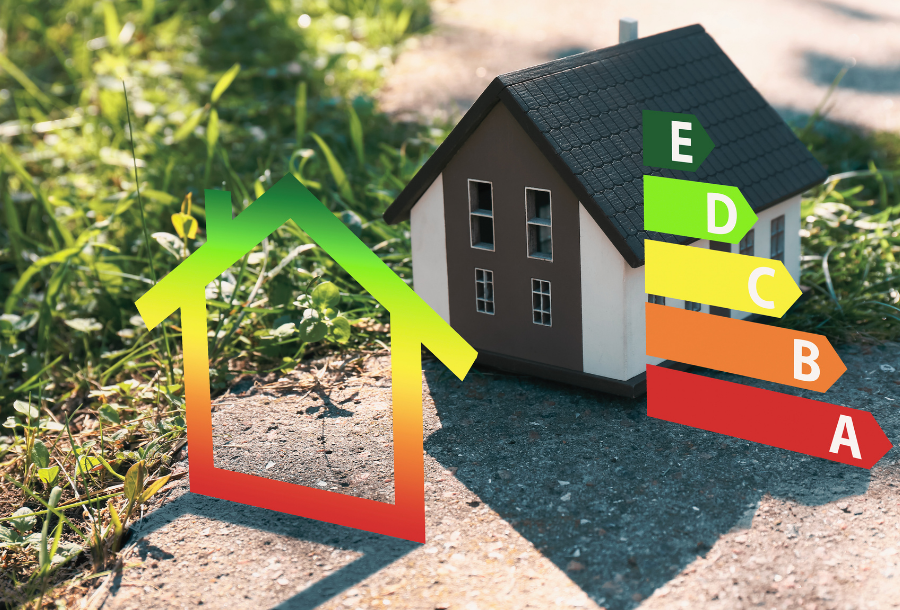
Mark Wiggin, director of Mark Wiggin Estate Agents, put it plainly: “Buyer priorities have changed significantly. Before 2022, it was rare for buyers to ask about an EPC rating. Now it’s one of the most common questions we receive.”
Sellers with D-rated or lower properties who are inside a chain are the most exposed to energy-driven buyer withdrawal. The fractured chains risk is not evenly distributed. It concentrates around properties with poor thermal performance, high estimated running costs, and buyers who are already at the edge of what their finances can absorb.
The Broader Chain Collapse Picture
The energy cap rise is accelerating a problem that already existed. UK property chains were collapsing at a rate that the rest of the world’s housing markets would consider alarming long before July 2026.
Quick Move Now’s 2025 data put the annual fall-through rate at 26%, more than one in four completed transactions failing before exchange. In the final quarter of 2024, that figure reached 33%. The average UK property chain now takes 139 days from sale agreed to completion, nearly five months during which every party in the chain is exposed to anything that can go wrong.
Fractured chains are expensive beyond the emotional cost. Barclays’ research puts the average additional cost of a chain breakdown at £2,127 per affected party, covering wasted survey fees, solicitor time, and related costs. The Negotiator’s 2025 report estimates the total annual market cost of failed transactions at over £3 billion.
What the July energy cap has done is add a new trigger on top of an already fragile system. Savills now forecasts house prices to fall by 2% in 2026, with the most significant falls in the least affordable markets. RICS buyer enquiry data has turned sharply negative. The pool of confident, proceedable buyers is shrinking, and those who remain are doing more rigorous due diligence before they commit.
What to Do If Your Chain Has Fractured
Finding yourself in a fractured chain is not necessarily the end of the sale. What you do in the first 48 hours matters more than anything else.
Do not automatically relist. Relisting resets your sale’s “days on market” counter and signals to new buyers that something went wrong. Before going back to the open market, explore whether the fracture can be repaired — sometimes a short price adjustment or an agreed delay is enough to bring a buyer back.
Ask your solicitor to hold the conveyancing work open. If there is any realistic chance of rescuing the transaction, instruct your solicitor not to close the file immediately. The work already done has value; starting again from scratch with a new buyer means beginning that clock again.
Consider your chain position carefully. If you are in the middle of a long chain and one buyer has dropped out, check whether anyone above or below you is also at risk. In fractured chains, problems rarely stay isolated. One departure can trigger a reassessment from other parties.
Contact a cash buyer immediately if speed matters. This is not the right move in every situation – but if you have already experienced one fracture, if the property has an EPC rating that will continue to deter mortgage-dependent buyers, or if you cannot financially sustain another three-to-four-month wait, a genuine cash buyer removes the exposure entirely. A cash buyer has no mortgage to approve, no lender doing affordability stress tests against rising energy bills, and no chain of their own.
How JBear Properties Steps In
This is exactly the situation JBear Properties was built for.
When a private buyer drops out at the eleventh hour – whether because of a mortgage issue, cold feet, or a renegotiation that a seller refuses to accept – JBear steps in with a confirmed cash offer. No mortgage. No chain. No new buyer who might do the same thing again in six weeks.
For sellers who have already absorbed the cost and stress of a fractured chain once, the value of that certainty is not abstract. It is the difference between completing a move and starting from square one.
JBear is also a member of the National Association of Property Buyers (NAPB) and registered with The Property Ombudsman (TPO), which means you are dealing with a regulated, accountable cash buyer – not an unvetted individual making informal offers. In an unregulated cash buying market, those credentials matter.
If your chain has fractured, or you can see the signs that it is about to, the time to act is before everyone’s solicitor fees stack up further.
FAQs
Q1: Does the energy price cap affect how mortgage lenders assess my buyer’s affordability? Yes, indirectly. Mortgage affordability tests assess whether borrowers can meet payments after essential outgoings. Rising energy bills increase those outgoings. Lenders – particularly those who have already tightened criteria in response to recent market volatility – factor household cost pressures into their stress tests. A buyer who passed an affordability assessment in April 2026 under a £1,641 annual energy cap may find a lender’s revised assessment less favourable under the £1,862 cap, particularly if they are buying a property with a poor EPC rating.
Q2: What does the EPC rating on my property actually affect during a sale? Practically, it affects three things: buyer confidence, lender willingness, and negotiation position. A low EPC rating signals higher running costs to buyers and may deter offers entirely. Some lenders now factor EPC ratings into valuations; a growing number will not lend on properties rated F or G at all. And a low rating gives buyers a concrete number to cite when attempting to renegotiate a lower price — which is one of the most common causes of fractured chains.
Q3: My buyer pulled out citing running costs. Can I claim any of my costs back from them? No. In England and Wales, no transaction becomes legally binding until exchange of contracts. Before exchange, either party can withdraw for any reason without financial penalty. Solicitor fees paid, survey costs, and mortgage arrangement fees already spent are non-recoverable unless your solicitor operates a “no completion, no fee” arrangement. This lack of pre-contractual commitment is one of the structural root causes of the UK’s high chain collapse rate.
Q4: How is a JBear cash offer different from selling on the open market? On the open market, your buyer typically needs a mortgage. That mortgage is subject to lender affordability assessment, a valuation, and credit checks – all of which can fail. In fractured chains, that is usually where the break happens. A JBear cash purchase removes lender dependency entirely. There is no mortgage to approve and no chain above JBear. The offer is made from available funds, and completion timelines are agreed and fixed.
Q5: Will energy bills keep rising beyond October 2026? Forecasts suggest the cap is likely to remain elevated or rise further in the short term. British Gas currently projects the October 2026 cap at £1,920 and the January 2027 cap at £1,925. The trajectory depends heavily on how the Middle East conflict resolves and whether Strait of Hormuz supply disruptions continue. The Joseph Rowntree Foundation notes that the Bank of England factored this energy cost path into its decision to hold rates at 3.75% in April, meaning rate relief is not imminent. Buyers will be making affordability decisions in this elevated-cost environment for some time.
Q6: Is there any government support for sellers caught in a broken chain? No direct scheme currently exists to compensate sellers for costs incurred in a fractured chain. The market has discussed reservation agreements as a partial solution – a non-refundable deposit paid at offer stage that creates a disincentive to withdraw -, but these are not yet standard practice in England and Wales. Industry bodies including the National Association of Property Buyers (NAPB) have called for structural reform to reduce fall-through rates, but meaningful legislative change has moved slowly.
Related articles
Still On The Market? How To Sell A House That Isn’t Selling This Summer