


Selling a house can feel like running a marathon. Viewings, negotiations, waiting for mortgage approvals and property chains that collapse at the last minute. But there’s another way. Cash house buyers offer a faster route to selling your property, often completing in days rather than months.
If you’re thinking, “I need someone to buy my house for cash,” you’re not alone. In February 2025, 19.3% of UK homes were purchased for cash. That’s nearly one in five sales happening without a mortgage.
This guide explains how cash house sales work, who offers them and whether selling for cash makes sense for your situation.
What Does “Buy My House for Cash” Mean?
When you say to someone, ‘Buy my house for cash,’ you’re looking for a buyer who can purchase your property without needing a mortgage. These buyers have funds ready to complete the sale immediately.
Cash buyers fall into two main groups:
Individual cash buyers are people buying property with their own money. They might be investors, downsizers, or buyers who sold another property. According to Financial Reporter, based on Land Registry records, cash buyers paid an average of £28,189 less than mortgage-dependent buyers in September 2024, a discount of 9.3%.
Cash buying companies are businesses that purchase properties directly. They buy homes in any condition, completing sales quickly. These companies typically offer between 75% and 85% of market value, though the exact figure depends on your property’s condition and location.
How Cash House Sales Work
The process of selling to a cash buyer is simpler than a traditional sale. Here’s how it works:
1. Initial Valuation
You request a valuation from the cash buyer. Most companies provide an initial estimate within 24 hours. Some offer instant online valuations, though these are less accurate than full assessments.
For a formal offer, the company will arrange a property inspection. A surveyor or valuer visits your home to assess its condition, location and market value. This determines the final offer.
2. Receiving Your Offer
After the inspection, you receive a written cash offer. Reputable companies make this offer firm and won’t reduce it later unless the survey reveals serious, undisclosed issues.
The offer typically ranges from 75% to 85% of market value. Properties in excellent condition in desirable locations receive higher offers. Homes needing significant repairs or in less popular areas receive lower offers.
3. Legal Process
Once you accept the offer, solicitors handle the legal work. The buyer’s solicitor and your solicitor conduct property searches, review contracts and ensure the title is clear.
Cash sales skip the mortgage application stage. This removes 4-6 weeks from the timeline. According to CityRise, buying a house with cash can take an average of 30 days from offer to completion.
4. Exchange and Completion
Your solicitor sends you the contract to sign. Once both parties sign and exchange contracts, the sale becomes legally binding.
On completion day, the buyer’s solicitor transfers the money to your solicitor. You hand over the keys. The sale is done.
Many cash buying companies complete in 7-14 days if you need a fast sale. Others let you choose your completion date, giving flexibility for onward moves.
Types of Cash House Buyers
Not all cash buyers operate the same way. Understanding who’s buying helps you choose the right option.
Property Buying Companies
These companies purchase properties directly with their own funds. They’re businesses that buy, sometimes renovate and either sell or rent the properties.
Cash buying companies have internal funds ready to buy. They don’t need to secure mortgages or sell property to someone else before completing.
Most are members of the National Association of Property Buyers (NAPB). The NAPB sets conduct standards for member companies. Members also register with The Property Ombudsman, giving you recourse if something goes wrong.
Property Brokers
Some companies that advertise cash purchases are actually brokers. They don’t buy your property themselves. Instead, they find investors or other buyers willing to purchase it.
Brokers can be useful, but there’s more risk. The sale depends on them finding a buyer. Initial offers might drop if the buyer pulls out or renegotiates.
Always ask if a company buys with its own funds. If they’re a broker, understand that it adds uncertainty to your sale.
Individual Investors
Private investors purchase properties for rental income or renovation projects. They’re genuine cash buyers with their own money.
Finding individual investors takes more work. They don’t advertise as widely as companies. Estate agents, property auctions and networking events are common routes to reach them.
Individual investors often negotiate harder on price. They view property as an investment and calculate returns carefully. However, they might offer more than a company if they see strong potential in your property.
Who Should Consider Selling for Cash?
Selling to a cash buyer isn’t right for everyone. But certain situations make it the best option.
Time-Sensitive Situations
If you need to sell quickly, cash buyers deliver. Traditional sales take 17-34 weeks according to Zoopla. Cash sales are complete in 1-4 weeks.
Common time-pressured scenarios include:
- Avoiding repossession
- Relocating for work
- Divorce settlements requiring asset division
- Probate sales where executors need to distribute estates
- Buying another property and needing to complete quickly
Property Chain Problems
Property chains cause enormous stress. You’re selling your home to someone who’s selling theirs to someone else. If anyone in the chain faces problems, every sale collapses.
The GOTO Group report shows the fall-through rate increased from 16% in 2022 to 29.8% in 2024, meaning almost one in three transactions failed.
Cash buyers eliminate chain risk. They’re not selling a property to buy yours. The sale depends only on you and them.
Properties Difficult to Sell
Some properties struggle on the open market. Buyers getting mortgages face lender restrictions. Banks won’t lend on properties with serious defects or unusual construction.
Cash buyers purchase properties that traditional buyers avoid:
- Homes with structural issues like subsidence
- Properties with damp, rot, or electrical problems
- Houses with short leases (under 70 years)
- Non-standard construction (concrete, timber frame)
- Properties with sitting tenants
- Houses needing complete renovation
- Fire-damaged or flood-damaged homes
You sell as-is. No repairs, no decoration, no staging. The buyer handles everything after purchase.
Financial Pressure
Financial difficulties force people to sell quickly. Mounting debts, mortgage arrears, business failures, or unexpected expenses create urgency.
Cash buyers provide certainty. Once you exchange contracts, you know the money is coming. There’s no risk of a mortgage falling through or a buyer changing their mind.
How Much Do Cash Buyers Pay?
Cash buyers who agree to ‘buy my house for cash’ offer below market value. This reflects the service they provide: speed, certainty and purchasing properties in any condition.
Typical Offers
Most cash buying companies offer 75-85% of the market value. Cash buyers typically offer 10-25% below market value. The exact discount depends on several factors.
What Affects the Offer?
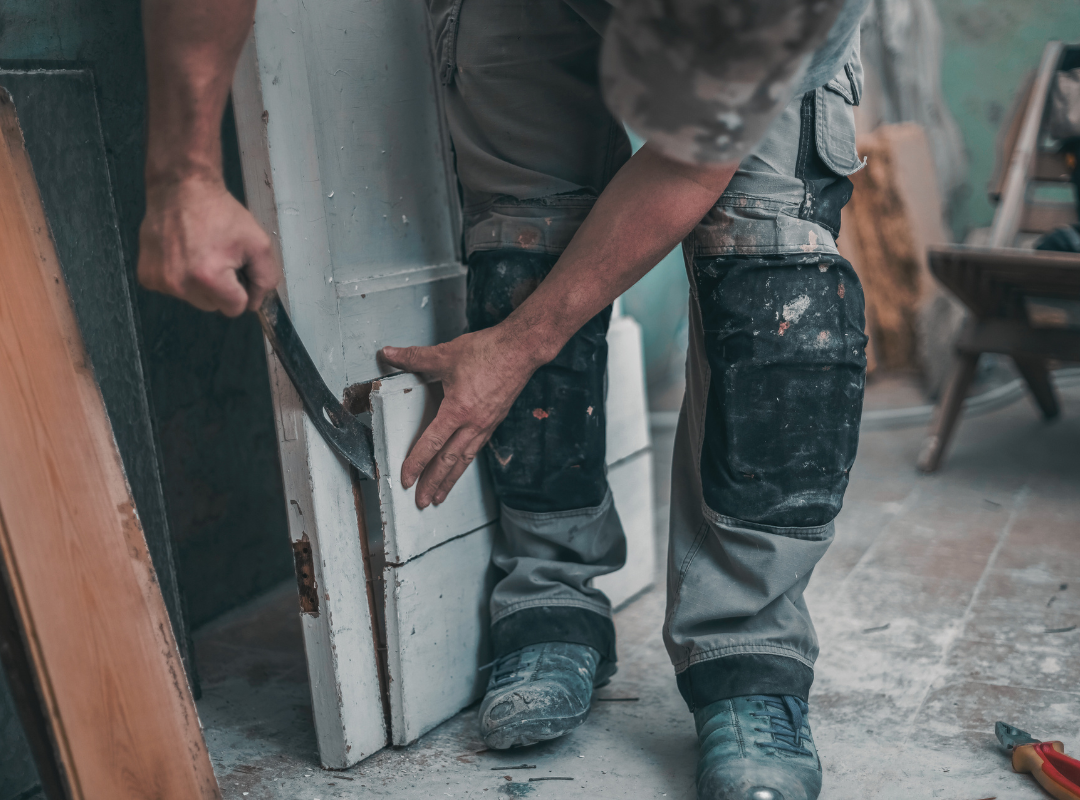
Property condition is the biggest factor. A well-maintained home in move-in condition receives offers near the top of the range. A property needing extensive repairs receives lower offers.
Location matters significantly. Properties in high-demand areas with strong rental markets get better offers. Homes in areas with slow sales or falling prices receive less.
Market conditions influence offers. In a seller’s market with rising prices, cash buyers pay more. In a buyer’s market with falling prices, offers drop.
Speed of sale can affect the offer. If you need to complete within days, you have less negotiating power. If you can wait several weeks, you might negotiate a higher price.
Comparing Cash Offers to Traditional Sales
Look beyond the headline figure. Calculate your net proceeds after all costs.
A traditional estate agent sale might achieve 100% of the market value. But you pay:
- Estate agent fees (1-3% of sale price)
- Conveyancing fees (£1,000-£2,000)
- EPC certificate (£60-£120)
- Any repairs or improvements to make the property sellable
- Mortgage payments during the 4-6 month sale period
- Risk of the sale falling through (happens to 28.8% of sales)
A cash offer at 82% of market value includes:
- No estate agent fees (the buyer pays their costs)
- No need for repairs or improvements
- Faster completion (1-4 weeks)
- Guaranteed sale with no fall-through risk
- Lower stress and faster access to your money
For many sellers, the cash offer provides more net proceeds once all costs are factored in.
How to Choose a Reputable Cash Buyer
The cash house buying industry includes excellent companies and some less scrupulous operators. Choosing the right buyer protects you from problems.
Check Industry Memberships
Look for membership of industry bodies:
National Association of Property Buyers (NAPB) members follow a code of conduct. They commit to transparency, honesty and fair dealing.
The Property Ombudsman provides independent resolution if disputes arise. Members must follow the Ombudsman’s decisions.
RICS (Royal Institution of Chartered Surveyors) regulation shows the company uses qualified surveyors for valuations. This means accurate property assessments.
These memberships aren’t guarantees, but they’re good indicators of legitimate businesses.
Verify They Have Funds
Genuine cash buyers have money ready. They don’t need to find investors or sell their property before completing.
Ask directly: “Do you buy with your own funds?” Request proof if you’re unsure. A letter from their solicitor confirming available funds provides reassurance.
Some companies buy through a panel of investors. This adds risk. Your sale depends on finding an investor willing to purchase. The offer might change if the investor’s circumstances change.
Read Reviews Carefully
Independent reviews show how the company treats sellers. Check multiple platforms:
- Trustpilot
- Google Reviews
- Reviews.io
- Feefo
Look for patterns in reviews. One bad review might be an outlier. Multiple complaints about reduced offers, delays, or poor communication signal problems.
Get Written Confirmation
Verbal offers mean nothing. Request everything in writing.
A reputable company provides:
- A formal written offer stating the exact amount
- Confirmation that the offer is firm and won’t be reduced (unless undisclosed issues are found)
- A clear timeline for completion
- Details of what’s included and what’s excluded
- Information about their solicitor
The offer should state whether it’s conditional. Some offers depend on survey results. Others are firm immediately.
Compare Multiple Offers
Don’t accept the first offer. Request valuations from 3-4 companies. This gives you a range to work with.
Be honest about your property’s condition and situation. Companies base their offers on the information you provide. Withholding problems lead to reduced offers after the survey.
The Advisory provides a free service connecting sellers with vetted house-buying companies. They mystery shop cash buyers and collect seller stories to identify which companies provide fair service.
Alternatives to Cash House Buyers
Before committing to a cash sale, consider other options. They might achieve a better price.
Traditional Estate Agents
Estate agents market your property to a wide audience. They list on property portals like Rightmove and Zoopla, conduct viewings and negotiate offers.
You typically achieve closer to market value. But the process takes longer. According to Zoopla, the average seller in England and Wales waits 152 days between accepting an offer and completing their sale, as stated by estate agents at Reallymoving.
Estate agents charge 1-3% of the sale price plus VAT. On a £250,000 property, fees range from £2,500 to £7,500.
The main risks are time and uncertainty. Nearly 30% of sales fall through. You might spend months selling only for the buyer’s mortgage to be declined or the chain to collapse.
Property Auctions
Auctions suit unusual properties or those needing work. Buyers are typically investors or developers comfortable with risk.

Auctions create urgency. The property sells on auction day if bidding reaches your reserve price. Most auction buyers are cash buyers or have finance arranged, so completion is usually within 28 days.
However, auctions have downsides. You pay entry fees (£500-£1,000) and commission on the sale (typically 2-3%). Properties can sell below market value if bidding is weak. And if bidding doesn’t reach your reserve, the property doesn’t sell.
Bridging Finance
If you need money quickly but don’t want to sell below market value, bridging finance might help. These short-term loans (typically 1-12 months) let you borrow against your property value.
You can use the loan to solve your immediate problem, then sell through an estate agent at a better price. However, bridging loans carry high interest rates (typically 0.5-1.5% per month) and arrangement fees.
This option only works if your financial situation improves. If you can’t repay the loan, you risk losing your property.
Part-Exchange Schemes
Some housebuilders offer part-exchange schemes. They buy your current home, letting you purchase one of their new-build properties.
The builder handles your sale. You move once to your new home. The process is simple and fast.
But builders offer your property below market value. They also build their profit margin into the new-build price. Calculate carefully whether the convenience justifies the cost.
Common Questions About Cash Sales
How Quickly Can I Complete?
Most cash buying companies complete within 7-28 days.
The timeline depends on:
- How quickly can you instruct a solicitor
- Whether there are any title issues or legal complications
- Whether your property has tenants (requires notice periods)
- Your preferred completion date
Are There Any Fees?
Reputable cash buyers don’t charge fees. They cover their own costs and often contribute towards your legal fees.
You pay your solicitor’s conveyancing fees. These typically cost £1,000-£2,000. Some cash buyers contribute £500-£1,000 towards these costs.
Be wary of companies asking for upfront fees or “valuation charges.” These are often signs of scams.
Will the Offer Change?
Legitimate companies make firm offers. They won’t reduce the offer unless their survey reveals serious, undisclosed problems.
Be completely honest about your property’s condition. Disclose known issues upfront. Hidden problems discovered later give the buyer grounds to reduce their offer or withdraw.
Get written confirmation that the offer is firm. This protects you from companies that make high initial offers to secure exclusivity, then drop the price before completion.
Can I Still Use a Cash Buyer If My Property Is On the Market?
Most cash buyers ask you to remove the property from the open market before proceeding. This ensures you’re committed to selling to them.
You can continue with viewings until you accept a cash offer. Once you accept, take the property off Rightmove and Zoopla. This shows the cash buyer you’re serious.
What If I Change My Mind?
Until you exchange contracts, either party can withdraw from the sale. There’s no legal obligation to proceed.
After the exchange, the sale is legally binding. If you pull out, you forfeit your deposit (typically 10% of the sale price). The buyer can sue you for losses.
Most cash buyers are understanding if your circumstances change before the exchange. Communicate honestly and early if you’re having second thoughts.
Understanding the Trade-offs
Selling your house for cash means accepting a lower price in exchange for certainty, speed and convenience.
The decision comes down to your priorities. If maximising every pound matters most, sell through an estate agent. Accept the longer timeline and risk of fall-throughs.
If certainty and speed matter more, a cash buyer makes sense. You receive less money, but you receive it quickly and guaranteed. You avoid months of stress, repeated viewings and the risk of the sale collapsing.
Steps to Take Next
If you’re thinking, “I need someone to buy my house for cash,” start with these steps:
- Get multiple valuations – Request quotes from 3-4 reputable companies. Compare offers and terms.
- Check credentials: verify membership in NAPB, The Property Ombudsman and RICS. Read independent reviews.
- Ask direct questions – Do they buy with their own funds? Is the offer firm? What’s the timeline? Are there any fees?
- Calculate net proceeds – Compare what you’d net from a cash sale versus an estate agent sale after all costs and time.
- Get everything in writing – Don’t rely on verbal promises. Request formal written offers and terms.
- Instruct your solicitor – Choose a solicitor experienced in quick sales. They’ll handle the legal work efficiently.
- Disclose everything – Be honest about your property’s condition. Hidden problems reduce offers or scuttle sales.
Most importantly, don’t rush the decision. Even if you need to sell quickly, take time to choose the right buyer. A few extra days of research prevent months of problems.
Key Takeaways
- Cash buyers purchase properties without needing mortgages, completing sales in 1-4 weeks compared to 17-34 weeks for traditional sales
- Offers typically range from 75-85% of market value, with the discount reflecting speed, certainty and purchasing in any condition
- 19.3% of UK homes were purchased for cash in February 2025, with cash buyers paying an average of £28,189 less than mortgage-dependent buyers
- 28.8% of traditional property sales fell through in 2024, making cash buyers attractive for their certainty and guaranteed completion
- Reputable cash buyers are members of the NAPB and The Property Ombudsman, use their own funds and provide firm written offers
- Cash sales suit time-sensitive situations, property chain problems, difficult-to-sell properties and sellers facing financial pressure
- After accounting for estate agent fees, repairs and extended mortgage payments, cash offers often provide similar net proceeds to traditional sales
- Always verify the buyer has their own funds, get everything in writing and compare offers from multiple companies
- Alternatives like estate agents, auctions and bridging finance might achieve higher prices but take longer and carry more risk
- The decision depends on your priorities: maximise price through traditional sale, or prioritise speed and certainty through cash sale
Frequently Asked Questions
Q1: Is selling my house for cash legal and safe? Yes, selling for cash is completely legal and safe when you work with reputable buyers. Look for companies registered with the NAPB and The Property Ombudsman. These memberships provide consumer protection and dispute resolution if problems arise. The legal process is identical to traditional sales, with solicitors handling contracts and fund transfers.
Q2: How do cash buying companies make money if they pay below market value? Cash buyers are typically property investors or companies that renovate and resell or rent properties. The discount covers their costs (renovation, holding costs, profit margin) and the risk they take buying properties sight unseen or in poor condition. They provide a service – instant certainty and no need for you to repair or improve your property.
Q3: Will I receive the full offer amount, or can it be reduced before completion? Reputable companies make firm offers that don’t reduce unless their survey reveals serious, undisclosed problems. Always request written confirmation that the offer is firm. Be completely honest about your property’s condition during the initial valuation. If you disclose all issues upfront, the offer should stand. Companies that routinely reduce offers after surveys lack credibility.
Q4: Can I sell my house for cash if I still have a mortgage? Yes. The cash buyer pays off your outstanding mortgage as part of the purchase. Your solicitor contacts your lender to get a redemption figure (the exact amount to pay off your mortgage). This amount is deducted from the sale price and you receive the difference. You must have sufficient equity for this to work.
Q5: How long does the cash sale process take from start to finish? Most cash sales are completed within 7-28 days. The timeline depends on how quickly you instruct your solicitor, whether there are any legal complications and your preferred completion date. Some buyers complete in as little as 7 days for urgent situations. You can also request longer if you need time to arrange your onward move.
Q6: Do cash buyers purchase properties with sitting tenants? Yes, many cash buyers purchase tenanted properties. This is common with rental properties or inherited homes with tenants in situ. The offer reflects the tenancy situation. Properties with good tenants on assured shorthold tenancies might receive better offers as they provide immediate rental income. Properties with problem tenants or uncertain tenancy agreements receive lower offers.
Q7: What’s the difference between a cash buyer and a property broker? A genuine cash buyer purchases your property with their own funds. They have money ready to complete immediately. A property broker doesn’t buy your property – they find investors or other buyers willing to purchase it. Brokers add uncertainty because your sale depends on them finding a buyer. Always ask if the company buys with its own funds before proceeding.
Q8: Can I negotiate the cash offer, or is it fixed? You can negotiate, though there’s less room than with individual buyers. Companies calculate offers based on property condition, location and market factors. If you disagree with their assessment, provide evidence. For example, if they claim your property needs £20,000 of work and you’ve had recent building surveys showing less, share those. Most companies will consider fair evidence, but won’t significantly increase offers without justification.
Q9: Are there any circumstances where a cash sale wouldn’t work? Cash sales don’t work well if you have time and want maximum value. If your property is in excellent condition in a desirable area and you can wait 4-6 months, an estate agent will likely achieve a better price. Cash sales also don’t suit sellers who owe more on their mortgage than the property’s value (negative equity), as there won’t be enough money from the sale to repay the lender.
Q10: What happens if the buyer discovers problems during their survey? Reputable buyers conduct their survey before making a formal offer, so the price already accounts for the property’s condition. If they discover serious, undisclosed problems you didn’t mention, they might reduce the offer or withdraw. This is why complete honesty during the initial valuation is essential. Disclose everything you know about the property’s condition, history and any issues.
Related articles