

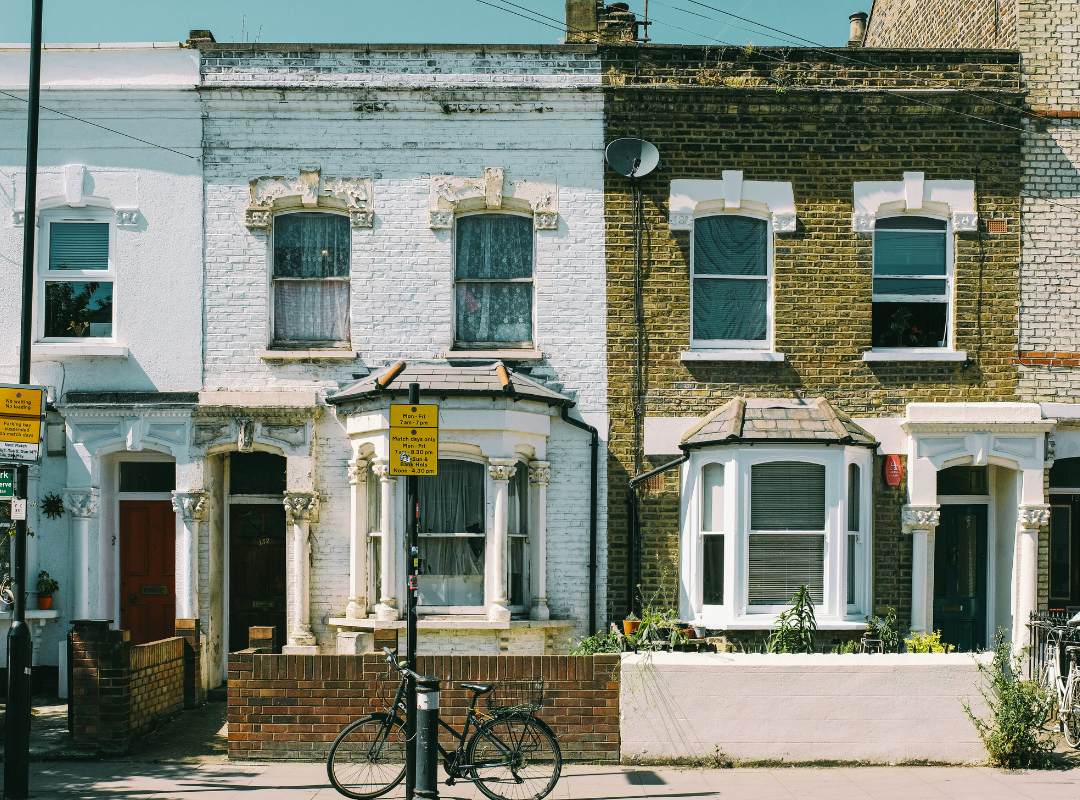
You look around your property and see cracked walls, outdated electrics, or perhaps damp patches spreading across the ceiling. The thought of selling feels overwhelming. You wonder who would want to buy a house that needs so much work. The truth is, your property has more value than you might think, and there are buyers actively searching for homes exactly like yours.
Properties in poor condition sell every day across the UK. The key is understanding your options and choosing the right path for your situation.
What Counts as A House in Poor Condition?
Before you panic about your property’s state, let’s be clear about what actually qualifies as a house in poor condition. This isn’t about a few scuff marks on the walls or a garden that needs tidying.
A house in poor condition typically means your property has issues that affect its safety, comfort, or value. According to government data, 14% of households in England live in homes that fail to meet the Decent Homes Standard, with 4% struggling with damp issues. These are the types of problems that genuinely impact a property’s marketability.
Common issues include:
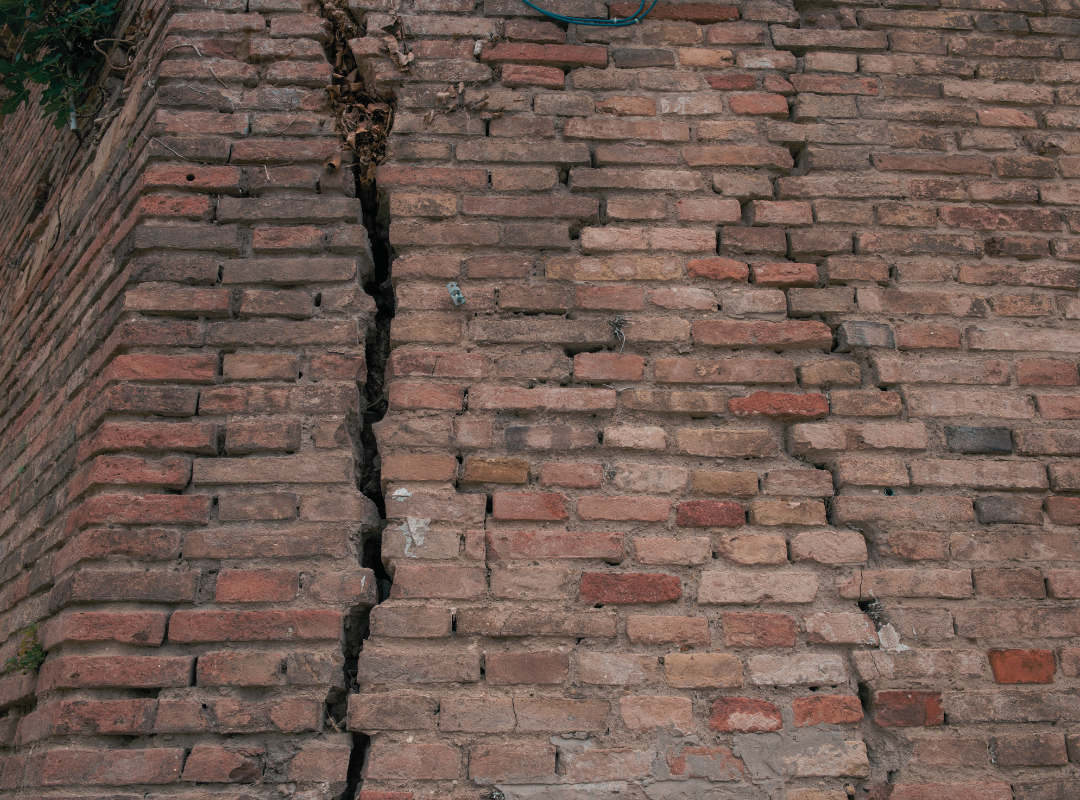
- Structural problems like subsidence, foundation cracks, or wall tie failure create serious concerns for buyers. These issues often prevent traditional buyers from securing mortgages because lenders view them as high risk.
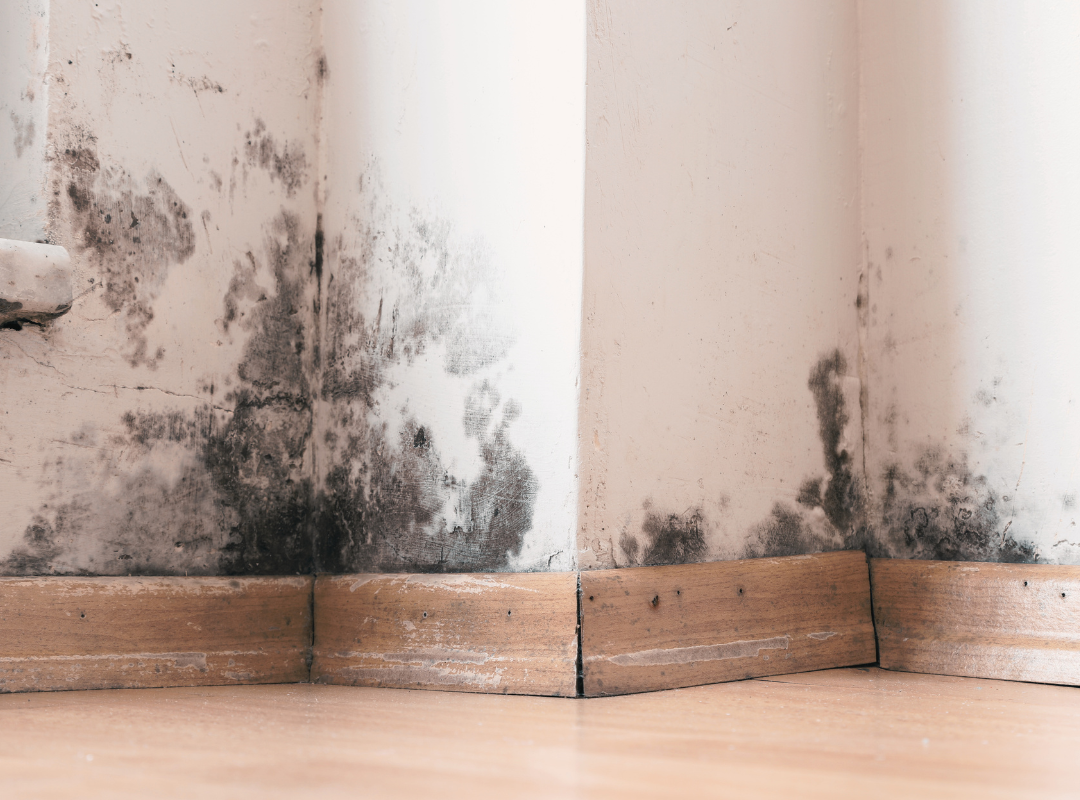
- Damp and mould affect both the building’s integrity and residents’ health. If you’ve noticed black spots on walls, a musty smell, or peeling wallpaper, damp is likely present.
- Outdated systems such as ancient boilers, dangerous electrics, or non-existent heating make properties difficult to finance. Some lenders won’t give a mortgage on a property with no heating.
- Roof damage is particularly problematic. If a leaking roof causes damage, the lender may consider the property too great a risk and reject a mortgage application.
- Missing essential facilities creates major obstacles. Properties without a kitchen or bathroom are impossible to mortgage in the UK because these features are considered essential.
Does your property tick several of these boxes? You’re dealing with what the market considers a genuinely poor condition property. But this doesn’t mean you’re stuck.
Why Traditional Buyers Struggle with Poor Condition Properties
Understanding why mainstream buyers avoid properties needing work helps you see why alternative routes exist.
The mortgage barrier stands as the biggest hurdle. Lenders assess whether a property is “mortgageable” before approving loans. Properties must be warm, dry, safe, secure and meet basic requirements to qualify for standard mortgages.
When a surveyor inspects a property with structural issues, severe damp, or missing essential features, they often classify it as un-mortgageable. This immediately eliminates most buyers who need financing.
The financial calculation also puts off traditional buyers. Someone purchasing a home to live in mentally adds up repair costs, often adding a buffer for unexpected problems. Homes requiring substantial renovation can sell for 20-40% less than their potential value if in good condition. This discount reflects both the money needed for repairs and the time and stress of managing renovation projects.
Chain complications present another issue. Traditional buyers often need to sell their current home before purchasing yours. If they’re relying on a mortgage and your property won’t qualify for standard financing, the chain breaks before it begins.
The time factor matters too. First-time buyers and families typically want somewhere to move in immediately. They can’t afford months of renovation work before occupying the property.
Who Actually Buys Properties in Poor Condition?
Here’s the encouraging news: there’s a thriving market for properties that need work. Several types of buyers actively seek these properties.
- Property developers and investors view your rundown house as an opportunity. They have the expertise, cash reserves and contacts to transform properties. According to industry data, only 7% of homes in England were built after 2001, with many properties being older and requiring significant updates, making them ideal for buyers like developers and investors looking for renovation opportunities. These buyers don’t need mortgages. They purchase with cash or specialist finance, which means your property’s poor condition doesn’t create the same barriers.
- Cash house buying companies like ours specialise in purchasing properties regardless of condition. We buy houses with structural problems, damp issues, or properties that need complete refurbishment. The process is straightforward: we make an offer based on the current condition, and if you accept, we can complete quickly with no chain.
- Auction buyers represent another market segment. Property auctions attract trade buyers who understand renovation projects and have funding ready. Auctions work well for a house in poor condition because buyers attend specifically looking for projects.
- First-time landlords and buy-to-let investors sometimes purchase poor condition properties at lower prices, renovate them and rent them out. The initial discount offsets their renovation costs and creates better rental yields.
Each buyer type has different priorities. Developers focus on profit margins. Cash buyers prioritise speed and simplicity. Auction buyers want properties with clear potential. Understanding these motivations helps you target the right market.
Your Selling Options
You have three main routes to sell a house in poor condition. Each suits different circumstances.
1. Selling to Cash House Buyers
This option offers the fastest, most certain route. You contact a cash buying company, they inspect your property and make an offer based on its current condition.
The advantages are clear. You sell the property exactly as it stands. No repairs, no cleaning, no preparation. The timescale is typically 7-28 days from offer acceptance to completion. There’s no chain to worry about and no risk of the sale falling through due to mortgage issues.
The trade-off is price. Cash buyers typically offer below market value because they’re taking on all the risk and renovation costs. However, when you factor in the money you’d spend on repairs, estate agent fees and months of mortgage payments whilst marketing, the actual difference often narrows considerably.
This route suits sellers who need to move quickly, can’t afford repairs, or want certainty over the maximum price.
2. Selling at Auction
Property auctions create competition among buyers who specifically want renovation projects.
Auctions work to a fixed timescale. Once your property is listed, you have a set auction date. If it sells on the day, completion typically happens within 28 days. An auction provides a marketplace for trade buyers to compete for your property.
The advantages include reaching buyers who understand poor condition properties and having a definite sale date. The competitive environment can sometimes achieve better prices than expected.
The downsides include auction fees, which typically run to several thousand pounds and the risk that your property doesn’t sell on the day. You’ll also need to be honest about all issues, as buyers will eventually find out what work is required, so it’s best to be upfront and explain what the issues are.
Auctions suit sellers who have some time (usually need 6-8 weeks from listing to completion), want to reach trade buyers and believe their property has features that might create competitive bidding.
3. Selling Through an Estate Agent
You can still use traditional estate agents, though this route takes longer and requires more work.
To maximise your chances, price realistically from the start. One of the major reasons houses in poor condition fail to sell is that the seller asks for too much money, which puts off potential buyers.
You’ll need to target your marketing towards buyers who want projects. Your listing should be honest about issues whilst highlighting potential. Good agents will help you identify the property’s strengths and write descriptions that attract the right buyers.
Consider making minor improvements. Things like a paint job and simple fixes to plumbing and electrical appliances can create a more positive first impression and boost your chances of selling. Focus on changes that make the biggest difference for the least money.
This route works for sellers who have time, can afford to make some basic improvements and whose property has redeeming features that might attract buyers despite its condition.
The Truth About Pricing
Getting the price right matters enormously when selling a property in poor condition. Too high and you’ll sit on the market for months. Too low and you’ll leave money on the table.
Start with professional valuations. Get opinions from at least two estate agents who have experience with properties needing work. They’ll know what similar properties sold for and can adjust for your property’s specific issues.
Research comparable sales yourself. Look for recently sold properties in your area that were in similar condition. Estate agents can provide this data, and property websites sometimes show sold prices.
Understand that different selling routes yield different prices. Selling at auction might achieve 70-85% of full market value. Cash buyers typically offer 65-80% of market value. Traditional sales through agents, if you can find a buyer, might achieve 75-90% of market value, depending on how much work you do first.
The real calculation includes hidden costs. If you choose the traditional route, factor in:
- Money spent on repairs and improvements
- Estate agent fees (typically 1-3% plus VAT)
- Mortgage payments whilst the property sits on the market
- Energy bills and council tax
- The risk of sales falling through and starting again
When you add these up, a lower cash offer that completes quickly often nets you a similar amount to a higher asking price that takes months to achieve.
Making the Right Decision for Your Situation
Your circumstances determine which option suits you best.
- Choose cash house buyers if you need to sell urgently due to divorce, probate, repossession risk, or financial pressure. This route also makes sense if you can’t afford any repairs or simply want the certainty of a guaranteed sale.
- Consider auctions if you have 2-3 months available, your property has some attractive features despite its condition, and you’re comfortable with the auction process and fees.
- Go with estate agents if you have time (expect 6-12 months), can make some improvements to increase appeal, and your property might attract investors or developers in your local market.
Many sellers explore multiple options simultaneously. You might list with an agent whilst also getting valuations from cash buyers. This approach lets you compare actual offers rather than theoretical numbers.
What You Must Disclose
Legal requirements exist around property disclosure. In the UK, sellers are required to disclose any material defects or legal issues with the property under the Property Misdescriptions Act 1991.
You must tell potential buyers about:
- Structural problems you know about
- Damp or water damage
- Issues with electrics, plumbing, or heating
- Any hazardous materials like asbestos
- Legal issues such as disputes with neighbours
- Planning permission problems
Failing to disclose known issues can result in buyers taking legal action after purchase. This could cost you far more than being upfront from the start.
Transparency is key when selling a house in poor condition. Failing to disclose important information can lead to legal disputes and deter buyers, as well as wasting your own time when a frustrated buyer pulls out after weeks or months.
Being honest doesn’t mean you can’t present your property positively. You can acknowledge issues whilst highlighting potential, location benefits, or other redeeming features.
Taking the Next Step
Selling a property in poor condition feels different from selling a well-maintained home. You might feel embarrassed about the state of your property or worried that no one will want it.
The reality is that buyers exist for every property, regardless of condition. Your house has value, and the right buyer sees potential where others see problems.
Start by getting your property valued by specialists who understand poor condition properties. This gives you realistic expectations and helps you compare your options properly.
If speed and certainty matter most, contact cash house buying companies for offers. If you have time and believe your property might attract competitive interest, explore auctions. If you’re prepared to make some improvements and wait for the right buyer, work with experienced estate agents.
The worst thing you can do is nothing. Properties in poor condition don’t improve with time. They deteriorate further, costing you money in maintenance, whilst their value potentially decreases.
Whatever route you choose, act now to move forward with your sale.
Key Takeaways
- Properties in poor condition sell successfully every day across the UK
- Multiple buyer types actively seek properties needing work, including developers, investors and cash buying companies
- Mortgage restrictions prevent traditional buyers from purchasing properties with serious issues
- You have three main selling routes: cash buyers, auctions, or estate agents
- Cash buyers offer speed and certainty, but typically pay below market value
- Auctions reach trade buyers and work to fixed timescales
- Estate agents take longer but might achieve higher prices if you make improvements
- Legal requirements mean you must disclose all known issues
- The right choice depends on your specific circumstances, particularly how quickly you need to sell
- Getting professional valuations from multiple sources helps you make informed decisions
FAQs
Q1: Can I really sell my house without making any repairs? Yes. Cash house buying companies and some auction buyers will purchase properties in any condition. You don’t need to fix anything before selling through these routes.
Q2: How much less will I get for a property in poor condition? This varies based on the issues and your location. Expect offers ranging from 60-85% of full market value. Remember to factor in the costs you’d incur repairing the property yourself when comparing offers.
Q3: Will my property’s poor condition affect how quickly I can sell? It depends on your chosen route. Cash buyers typically complete within 7-28 days regardless of condition. Traditional sales take longer, often 6-12 months for properties needing significant work.
Q4: What issues make a property completely unsellable? Very few issues make properties truly unsellable. Even properties without kitchens or bathrooms, with severe structural damage, or requiring complete rebuilding, have value to the right buyer. However, these extreme cases will only attract cash buyers or developers.
Q5: Should I get a survey before selling? This isn’t usually necessary when selling to cash buyers, as they conduct their own assessments. For traditional sales or auctions, having a survey can help you understand exactly what issues exist and price accordingly.
Q6: Do I need to disclose problems that might not be visible? Yes. You must disclose any known issues, even if they’re not immediately visible to viewers. This includes historical problems that have been repaired, as these can affect insurability or future buyers’ mortgage prospects.
Q7: What happens if I don’t disclose issues I know about? Buyers can take legal action after purchase if they discover you knowingly concealed problems. This can result in compensation claims that exceed what you would have lost by being honest initially.
Q8: Can I sell a property that’s been declared un-mortgageable? Absolutely. Unmortgageable simply means traditional mortgage lenders won’t finance it. Cash buyers, developers and investors don’t need mortgages and actively purchase un-mortgageable properties.
Related articles